
Digital video now comes from two broad sources. The first is user-generated material, which is easy to upload and varies widely in quality. The second is studio-produced media, which depends on planned workflows, dedicated equipment, and trained crews. Both serve different viewing habits.
This article describes the technical choices that shape studio output. It looks at three areas: camera work and lighting, sound recording, and direction. The aim is to explain how each one affects the final result, so you can compare options against your own preferences.
A short note on terms first. "Production quality" here refers to measurable factors such as exposure, audio clarity, and editing consistency, rather than subjective taste.
The Production Methods Behind Studio Media
The main distinction between studio output and casual uploads is the level of technical control. Studio environments use specialized tools and skilled operators to manage each part of the frame. The sections below outline the methods most often involved.
Camera Work and High Dynamic Range Lighting
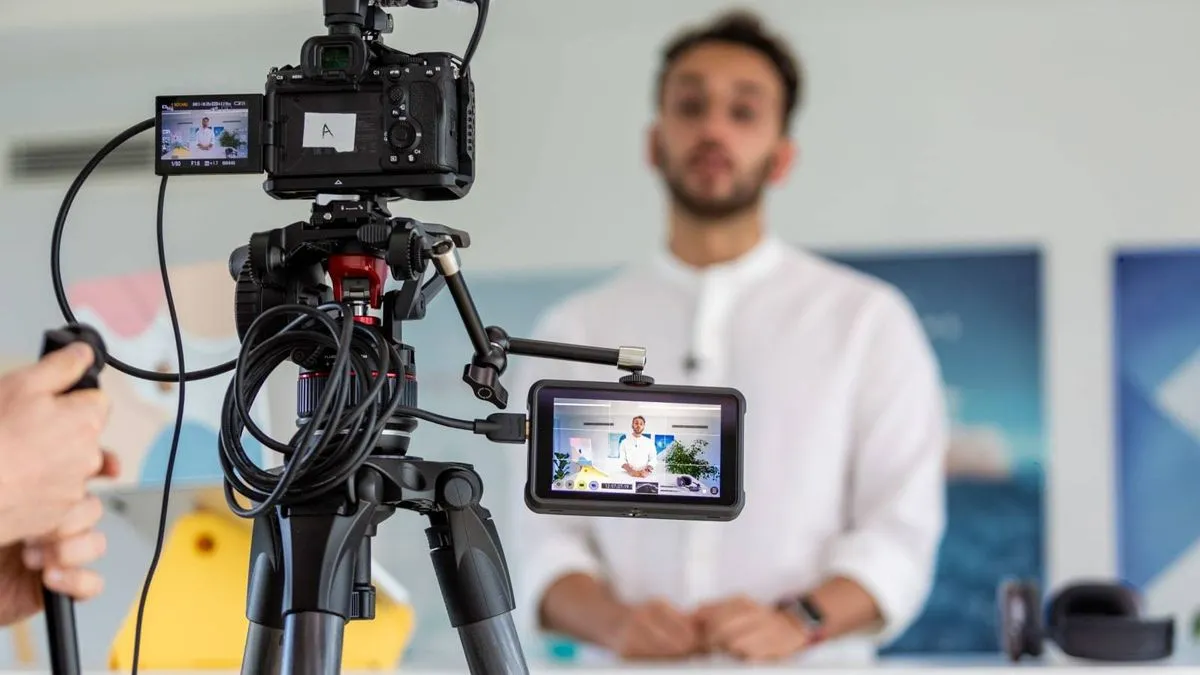
Consumer webcams and phone sensors can struggle with contrast. The common results are deep shadows, blown-out highlights, and muted color. Studios typically use cinema cameras with higher-grade lenses, which support a wider dynamic range and more controlled depth of field.
Multi-point lighting adds to this. By placing several light sources around a scene, a crew can keep detail visible in both bright and darker areas. The practical effect is steadier exposure across a shot.
Sound Recording and Audio Clarity
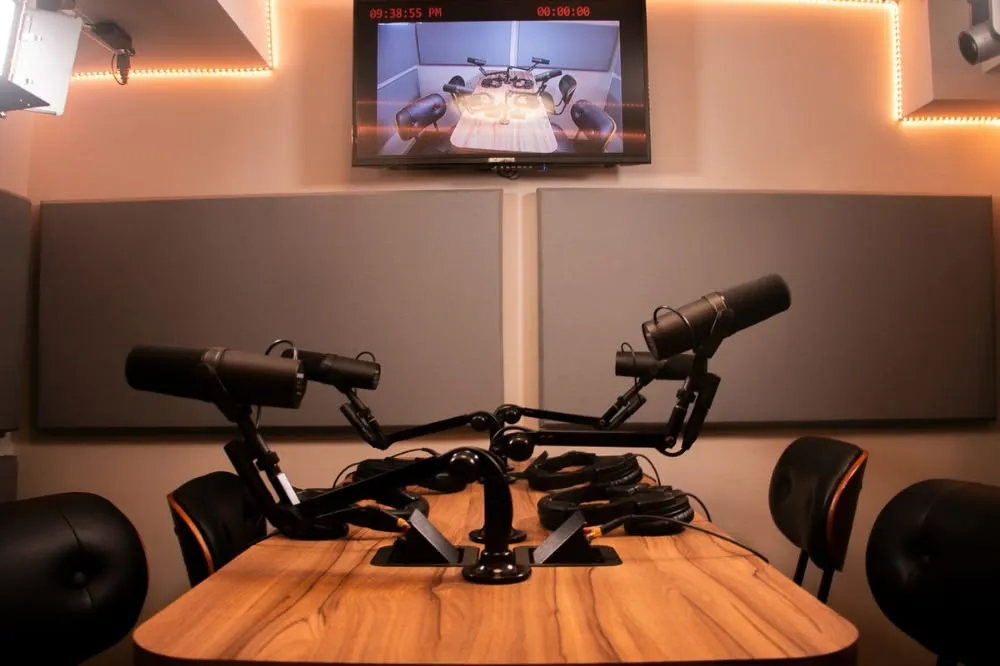
Audio often reveals the gap between casual and studio work. Background noise, echo, and clipped peaks are common in untreated spaces.
Studios address this with treated rooms, directional microphones, and multi-track mixing in post-production. These steps reduce unwanted noise and balance levels, which tends to produce clearer and more consistent sound.
"The difference is mostly procedural — planning, equipment, and trained roles."
Direction and Visual Continuity
Casual recordings are frequently unscripted, which can lead to uneven pacing, unstable framing, and abrupt edits. Studio productions usually involve directors and editors who plan shots in advance.
Their methods include deliberate camera movement, multiple angles, and measured cuts. Together these maintain continuity from scene to scene and keep the visual flow consistent, which can make longer viewing more comfortable.
So the difference is mostly procedural. Planning, equipment, and trained roles account for much of the variation between the two sources.
Comparing Public Platforms and Curated Libraries
Many public video pages run on advertising-supported infrastructure built for high traffic. Quality standards can vary across uploads, and interfaces may include previews, redirect links, or pop-up advertisements. Locating a well-produced item can take time when standards differ from one file to the next.
A curated, studio-backed library takes a different approach. Each title is reviewed against a set of technical standards before it is added. For viewers who prefer consistency, this reduces the amount of filtering involved and keeps quality more predictable across the collection.
The trade-off is straightforward. Public platforms offer volume and open access, while curated libraries offer a single, applied standard. Which one fits depends on what you value in a viewing experience.
Accessing Curated Media Content Through an Organized Platform
A curated digital media membership applies the structure of mainstream streaming services to digital entertainment. A paid membership plan provides access to a large catalog of curated media titles. The library is presented in high-definition playback and is formatted for desktops, mobile screens, and VR headsets.
The platform is organized around user choice and privacy. It is presented without pop-up advertisements, slow previews, or clickbait, which supports steady playback. Registration includes account setup options, and billing details are shown during checkout and should be reviewed before purchase.
If a curated media library matches what you are looking for, the paid membership is one option to consider.